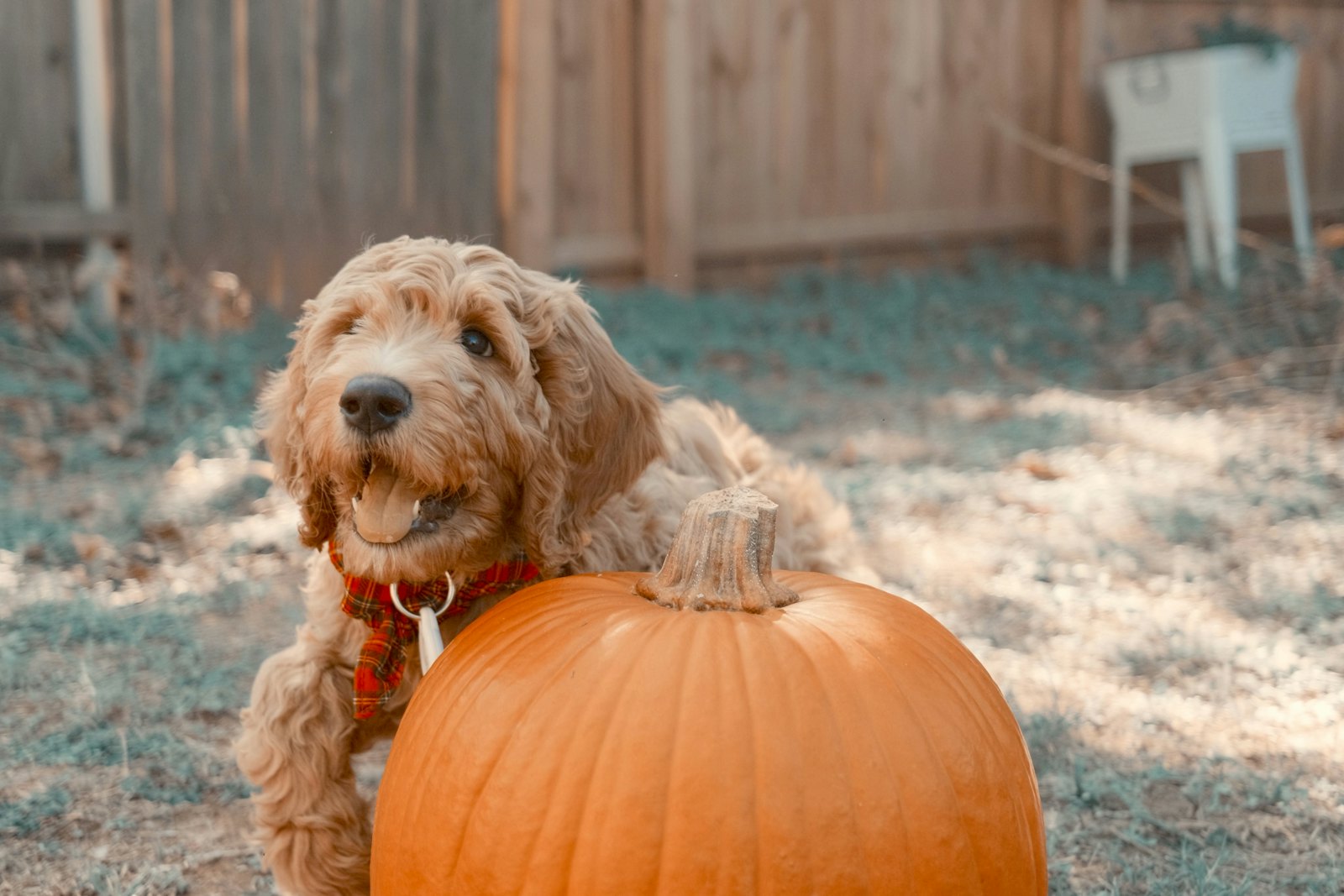
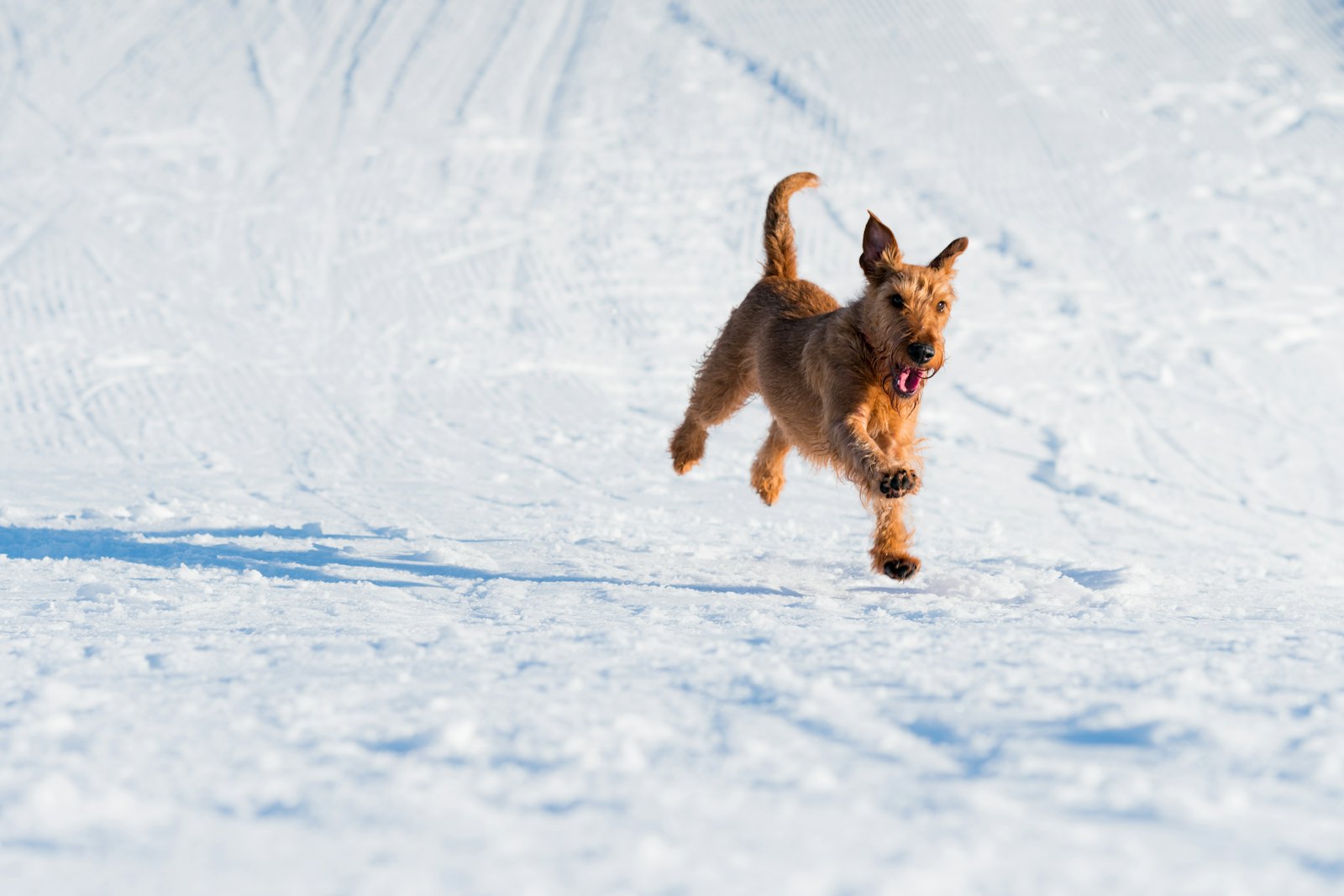
There is no single temperature that is too cold for every dog, but veterinary schools give clear markers. Washington State University's veterinary hospital says to bring pets indoors or provide adequate shelter when temperatures dip below freezing (32°F), and Purdue veterinarians say puppies and short-haired pets should come inside below 40°F.1,2
Coat and age affect how well a dog handles the cold, and small dogs may need extra protection. The AVMA's advice is to know your pet's tolerance for the cold and adjust accordingly.3,4
Is there a single temperature that is too cold for dogs?
No, there is no single number that fits every dog. Dr. Gene Pavlovsky, a University of Illinois veterinarian, put it simply: "There is no straightforward answer to how cold is too cold and how long is too long to remain outside."5 The same page adds that most dogs can probably be outside for a very short period, just long enough for a bathroom break, even in extreme cold.5
That is why the AVMA's advice starts with your dog: "Know your pet's tolerance for the cold; adjust accordingly."4
What temperatures do veterinary schools mention?
Purdue veterinarians say puppies and short-haired pets should come inside below 40°F and outdoor pets below 20°F, and Washington State says to bring pets indoors or provide adequate shelter below 32°F.1,2
| Temperature | What the source says | Source |
|---|---|---|
| Below 40°F | Puppies and short-haired pets should come inside | Purdue University College of Veterinary Medicine2 |
| Below 32°F (freezing) | Bring pets indoors or provide adequate shelter; most dogs, especially those with thinner coats, should not be exposed for more than 10 to 15 minutes without access to a warmer space | Washington State University Veterinary Teaching Hospital1 |
| Below 20°F | Bring outdoor pets indoors | Purdue University College of Veterinary Medicine2 |
The AVMA adds that "in extreme cold, even outdoor pets should stay inside."4 Purdue also offers a handy rule of thumb: if you are cold, your pets are most likely cold too.2
If your dog must stay outdoors, the AVMA says to make sure it has insulated shelter and unfrozen drinking water, and Purdue says a good shelter has 3 enclosed sides, is raised off the ground and holds plenty of bedding such as straw or hay.2,4
Which dogs feel the cold more?
Puppies, older dogs and short-haired dogs are the most vulnerable to the cold, and small dogs may need extra protection. Cornell's veterinary college says "very young animals, older animals and short-haired breeds are the most vulnerable."3
- Coat: Washington State calls short-haired dogs "particularly vulnerable to the cold."1
- Size: Cornell notes that small and short-haired dogs may need coats even for short walks in cold, windy weather.3
- Age: Purdue says puppies should come inside below 40°F, while its marker for outdoor pets is 20°F.2
How can you tell your dog is too cold?
A dog that is too cold may shiver, slow down or lift its paws off the ground. Cornell says a dog that is "picking up its feet or seems reluctant to walk" may be too cold, and lists shivering, anxiety and moving slowly as signs of hypothermia.3
Washington State lists the physical signs of hypothermia as shivering, irregular heart rate and breathing, and visible exhaustion.1 It also says frostbite often affects a dog's paw pads, nose and ears, and can make a dog appear to prance when walking.1
If you suspect hypothermia or notice any concerning signs of cold-related injuries, Washington State advises seeking veterinary care immediately; it also advises covering your dog with blankets and letting your dog warm up gradually.1 The AVMA says to contact your veterinarian if your dog is shivering or extremely lethargic after being out in the cold.4
How long should winter walks be?
Winter walks should be shorter than usual when it is very cold. The AVMA says to "shorten walks in very cold weather," and Cornell's advice is to keep walks short and watch for signs of hypothermia.3,4
Some dogs may need a coat. The AVMA suggests a sweater or dog coat if your dog has a short coat or seems bothered by the cold.4
How do you protect your dog's paws in winter?
To protect your dog's paws in winter, consider booties, check the paws often and clean them after walks. Booties can protect paw pads from the cold and from rock salt, and the AVMA says to make sure they fit.1,4
- Before walks: Cornell suggests keeping the hair between the paw pads short to help prevent ice balls, and applying paw balm to the pads before each walk.3
- During the walk: longer-haired dogs may collect ice and snow on their feet, so check them regularly.3
- After the walk: wipe or wash your dog's feet, legs and belly to remove packed snow, ice, salt and de-icing chemicals.4
The AVMA also recommends checking your dog's paws often for signs of irritation or injury.4
What winter hazards should dog owners know about?
Antifreeze, de-icers and frozen water are 3 hazards veterinary sources flag. The active ingredient in most antifreeze is ethylene glycol, which Cornell describes as sweet-tasting and highly toxic, so store it out of reach and clean up any spills right away.3
Cornell also warns that salt and most de-icers can be toxic to dogs, and the AVMA recommends pet-safe de-icing products.3,4 The AVMA also says to stay away from frozen ponds, lakes and streams.4
For more everyday dog care, browse pawIQ Learn.
pawIQ makes daily soft chews for dogs and is launching soon. Get launch updates.
Frequently asked questions.
What temperature is too cold for a dog to be outside?
There is no single number for every dog. Washington State University's veterinary hospital says to bring pets indoors or provide adequate shelter below freezing (32°F), and Purdue veterinarians say puppies and short-haired pets should come inside below 40°F and outdoor pets below 20°F.1,2
How long can a dog stay out in freezing weather?
Washington State says most dogs, especially those with thinner coats, should not be exposed to freezing temperatures for more than 10 to 15 minutes without access to a warmer space.1
Do dogs need coats in winter?
Some do. The AVMA suggests a sweater or dog coat if your dog has a short coat or seems bothered by the cold, and Cornell notes that small and short-haired dogs may need one even for short walks in cold, windy weather.3,4
What are the signs a dog is too cold?
Signs a dog may be too cold include shivering, anxiety, moving slowly, lifting the paws or seeming reluctant to walk. If your dog is shivering or extremely lethargic after being out in the cold, the AVMA says to contact your veterinarian.3,4
How cold is too cold to walk a dog?
There is no set cutoff, but the AVMA says to shorten walks in very cold weather, and Cornell advises keeping walks short and watching for signs of hypothermia.3,4
Sources.
- Washington State University College of Veterinary Medicine, Veterinary Teaching Hospital. When is it too cold for your pet? 2025.
- Nickel A, Purdue News Service. Purdue veterinarians give winter weather tips for pet owners. Purdue University College of Veterinary Medicine, 2019.
- Cornell University College of Veterinary Medicine. Keeping your furry friends safe during winter weather. 2021.
- American Veterinary Medical Association. Cold weather hazards. AVMA.
- University of Illinois College of Veterinary Medicine. How cold is too cold for pets? 2024.